
When we assess behaviour issues, we are always on the lookout for red flags that indicate pain and discomfort. This might sound strange, given that we are there to work in a behavioural sense, however behaviour and physical health are intricately linked. A behaviourist cannot diagnose physical issues in your dog; however, they may suggest veterinary involvement based on what they are seeing.
As part of the information gathering process, your behaviourist may perform gait analysis, ask questions about your dog’s gastrointestinal health, or discuss touch or noise sensitivities. They may also suggest performing an analgesic trial: this is where your dog is provided with daily pain relief medication for several weeks, during which you monitor for any changes in their behaviour. Significant changes indicate that there may be an underlying painful condition – however, an absence of behavioural change does not necessarily mean that your dog is pain free. There are different types of pain targeted by different medications, and pain-related behaviours that have been present for a long period can also have a learned component, making it difficult to elucidate the causes.
Sound sensitivity is a common red flag for pain. Studies have shown that sound sensitivity in dogs is linked to musculoskeletal pain – when a sudden noise makes a dog jump, they tense up, which can trigger an underlying painful condition. Over time, as the dog associates sudden noises with pain, they will demonstrate increased sensitivity to sounds.
Similarly, dogs who are sensitive to touch may be experiencing pain or discomfort. A couple of years ago, I met a dog who would willingly climb onto people’s laps and ask for affection, only to then begin growling and snarling when touched. Following a vet visit, he was diagnosed with allergies that would have been making his skin particularly sensitive – once treated, all growling and snarling stopped, and he was able to enjoy the affection he had been craving.
If a physical condition is contributing towards a dog’s behaviour, it is imperative that we get it under control before applying any behaviour modification. If we attempt to train the dog through a painful or uncomfortable state, we are unlikely to see an improvement in the behaviour as we are approaching it from the wrong angle. Examining the physical wellbeing of the dog first and then applying training techniques once we are confident the dog’s health is satisfactory is likely to reap greater benefits.
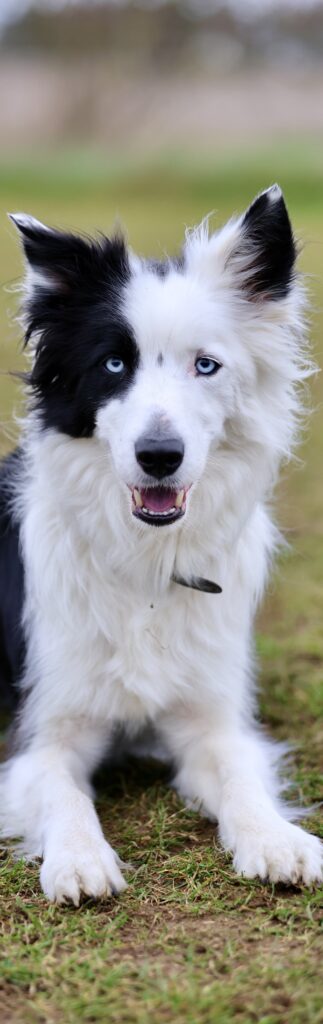
A common misconception is that if a dog is going for walks, running around, and playing, that they are pain free – however, pain can be masked and excitement and joy can override discomfort in some situations. My own dog, Chase, was a very active dog who loved to run, yet we discovered after veterinary investigations that he had been living with chronic gut pain for some time. It hadn’t affected his ability to enjoy being out on walks, but the red flags for us were his extreme sound sensitivity and his redirected biting when he heard sounds that distressed him. Following some dietary changes, this behaviour lessened significantly.
If your dog is displaying behavioural issues, consider the role of their physical health in their behaviour. If you are unsure of how to start, there is no harm in having an honest conversation with a veterinarian or seeking the advice of a qualified veterinary physiotherapist.
